

ART RP-1 Remote Mic Preamp for Dynamic and Ribbon Microphones

In stock
- Adds 20 dB or more of clean gain to dynamic and ribbon mics
- Variable input impedance, 150 Ω to 10 kΩ, to shape your mic’s tone
- Switchable 100 Hz low-cut filter for rumble and plosives
- Runs on 48V phantom power but does not pass it to the mic
- Safe for ribbon microphones
- Low-distortion discrete circuit, under 0.002% THD
$119
In stock
The ART RP-1 is a compact inline mic preamp, also called a mic activator, that adds clean gain to dynamic and ribbon microphones before they reach your audio interface or mixer. It is for podcasters, streamers, vocalists and home recordists using low-output mics, and for anyone running a quiet microphone down a long cable.
Why low-output mics need help
Dynamic and ribbon microphones produce much less signal than condensers. Many affordable interfaces and mixers have to turn their preamps almost all the way up to get a usable level from them, which is exactly where those preamps get noisy. The RP-1 sits between the mic and your interface and adds gain first, so your interface can run at a lower, quieter setting. The result is a stronger signal with less hiss.
Clean, discrete gain
The RP-1 uses low-distortion discrete circuitry, with total harmonic distortion typically under 0.002% at 1 kHz. It provides 20 dB of gain at a 600 Ω input impedance setting, and more as you raise the impedance toward 10 kΩ. Its balanced output also makes it well suited to long cable runs, because the signal is boosted at the mic end before travelling to the desk.
Variable impedance: a tone control for your mic
Most inline mic boosters have no controls at all. The RP-1 lets you set its input impedance anywhere from 150 Ω to 10 kΩ. Changing the load a microphone sees changes how it sounds, especially with dynamic and ribbon mics:
- Lower settings tend to give a warmer, rounder, darker sound.
- Higher settings tend to give a brighter, more open sound and more output.
Try a few positions while listening on headphones and pick the one that suits the voice or instrument.
100 Hz low-cut filter
A switchable 100 Hz low-cut filter removes rumble, desk thumps, air-conditioning noise and some plosive pops before any gain is added. It is especially useful on spoken word and vocals with close-placed dynamic mics.
Phantom powered and ribbon safe
The RP-1 draws standard 48V phantom power from your interface or mixer, so there are no batteries or adapters. Crucially, it does not pass phantom power through to the microphone. That makes it safe to use with ribbon mics, which can be sensitive to phantom power, and it means your dynamic mic never sees 48V either. Just switch phantom power on for that channel.
Who is it for?
- Good fit: podcasters and streamers using low-output broadcast dynamic mics on budget interfaces.
- Good fit: ribbon mic owners who need clean gain and want to experiment with impedance.
- Good fit: live and installed setups where a dynamic mic runs over a long cable.
- Not needed: condenser microphones, which already have strong output and need phantom power themselves. The RP-1 does not pass phantom, so a condenser will not work through it.
- Not compatible: devices without 48V phantom power, unless you add a separate phantom supply.
ART RP-1 vs basic mic activators
Popular inline activators, including the products people often search for as a Cloudlifter alternative, typically offer a fixed amount of gain with no controls. The RP-1 adds two things they usually lack: adjustable input impedance for tone shaping and a built-in low-cut filter. If you just need a simple boost, any activator will do the job; if you want some control over the sound, the RP-1 gives you more to work with. For two microphones, ART also makes the Dual RP. Explore more microphone preamps, or browse broadcast and podcast microphones and ribbon microphones to pair with it.
Key Features
- Single-channel inline remote mic preamp
- 20 dB of gain at 600 Ω, more at higher impedance settings
- Variable input impedance, 150 Ω to 10 kΩ
- Switchable 100 Hz low-cut filter
- Powered by 48V phantom power, 8 mA
- Does not pass phantom power to the mic
- Discrete circuitry, under 0.002% THD at 1 kHz (typical)
- Balanced XLR output for long cable runs
Why buy from 10dB
Orders leave the 10dB warehouse the same day as your purchase and travel by Australia Post, usually arriving within 3–5 days. Find a mic to match in our dynamic microphones range.
FAQ
Does the ART RP-1 need batteries or a power supply?
No. It runs on standard 48V phantom power from your interface or mixer. Turn phantom power on for that channel.
Is the ART RP-1 safe for ribbon microphones?
Yes. It uses phantom power itself but does not pass it through to the microphone, so the ribbon never receives 48V.
Can I use it with a condenser mic?
No. Condenser mics need phantom power, and the RP-1 blocks it from reaching the mic. Condensers also usually have enough output without extra gain.
How much gain does it add?
20 dB at the 600 Ω impedance setting, and more as you turn the impedance up toward 10 kΩ.
Where should I place it in the chain?
Between the microphone and your interface or mixer, ideally near the mic end of the cable so the boosted signal travels the long run.
What does the impedance control do?
It changes the load the mic sees. Lower settings usually sound warmer and darker; higher settings brighter, more open and louder.
| Weight | 0.1723651006 kg |
|---|---|
| Dimensions | 16.764 × 6.35 × 5.334 cm |
| brands | Art Pro Audio |
Specifications
| Specification | Details |
|---|---|
| Type | Single-channel inline remote mic preamp |
| Connectors | 1 x XLR input, 1 x XLR output (balanced) |
| Input impedance | 150 Ω – 10 kΩ, variable |
| Gain | 20 dB at 600 Ω, more at higher impedance |
| Low-cut filter | 100 Hz, switchable |
| Max input level | -18 dBu |
| Max output level | +9 dBu |
| THD | <0.002% at 1 kHz (typical) |
| CMRR | >60 dB, 20 Hz – 20 kHz |
| Power | 48V phantom power, 8 mA |
| Phantom pass-through | No (ribbon safe) |
Related products
-
-
DI Boxes, Microphone Preamps
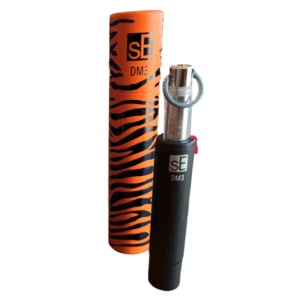
sE DM3 Active DI & In-line Microphone Preamplifier – Black
- In-Line Active DI for Instruments
- Ultra-Hi-Z, Lockable 1/4″ Input
- XLR 3-Pin Output
- Class-A Output Buffer and Amplifier
- Switchable 15 or 30 dB Input Pad
- Three-Way Ground-Lift Switch
- Runs off 48V Phantom Power
- Durable, All-Metal Housing
SKU: SEEL_DM3BLACK -