ART Dual RP Two-Channel Inline Preamp for Ribbon and Dynamic Microphones

In stock
- Two channels of clean, low-noise gain for dynamic and ribbon mics
- Up to 27 dB gain into 10 kΩ, 20 dB into 600 Ω
- Runs on 48V phantom power, with no batteries or power supply
- Doesn’t pass phantom power on to the mic, protecting ribbons
- Variable input impedance from 150 Ω to 10 kΩ per channel
- Switchable 100 Hz low-cut filter
$109
In stock
The ART Dual RP is a two-channel inline preamp that adds clean, low-noise gain to dynamic and ribbon microphones before they reach your audio interface or mixer, made for podcasters, vocalists, home studios and anyone recording with low-output mics. It sits between the mic and the preamp, runs on phantom power from your interface, and gives the signal a boost so your preamp doesn’t have to work at its noisy limit.
Why low-output mics need help
Popular broadcast-style dynamic mics and most ribbon mics produce a much weaker signal than condenser mics. To get a usable recording level, many budget and mid-range interfaces have to turn their gain right up, and that’s where hiss and noise build up. An inline preamp like the Dual RP adds gain right at the start of the chain, so the interface preamp can run at a quieter, more comfortable setting.
The Dual RP’s equivalent input noise is -129 dBu (C-weighted), and distortion is below 0.002% at 1 kHz, so the extra gain comes without extra colour or hiss.
Powered by phantom power, safe for ribbons
The Dual RP takes its power from the standard 48V phantom power on your interface or mixer, so there are no batteries or power supplies to manage. Importantly, it doesn’t pass phantom power through to the microphone. That protects passive ribbon mics, which can be damaged by phantom power, and lets you leave phantom power on at the interface.
Variable impedance: tune each mic
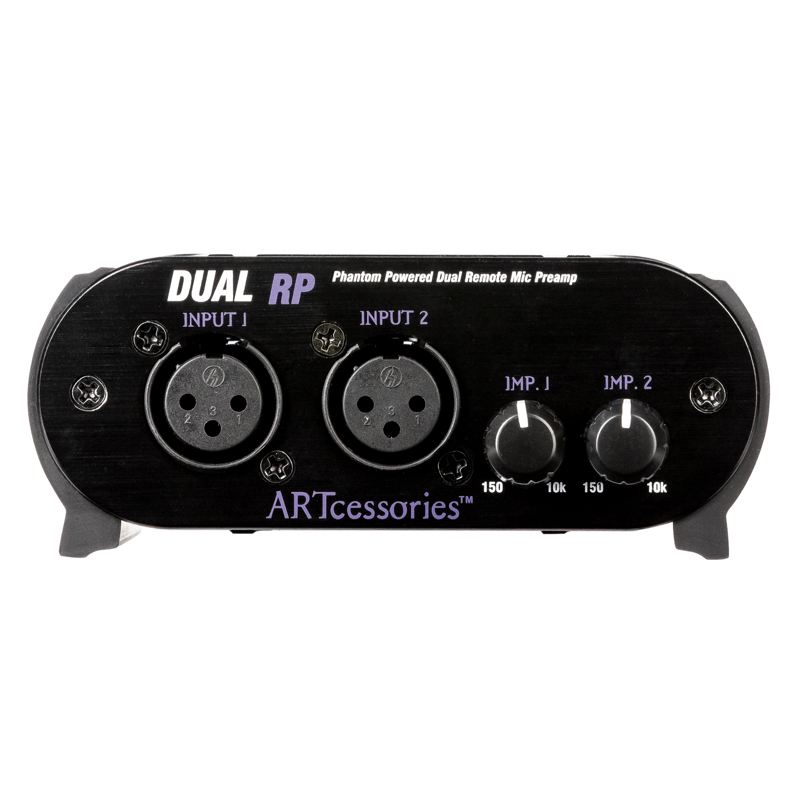
Each channel has a variable input impedance control from 150 Ω to 10 kΩ. The impedance a preamp presents to a dynamic or ribbon mic changes how it sounds, affecting its low end, top end and overall output. Sweep the control while listening and pick the setting that suits the voice or instrument. This kind of control is usually found on more expensive preamps.
100 Hz low-cut filter
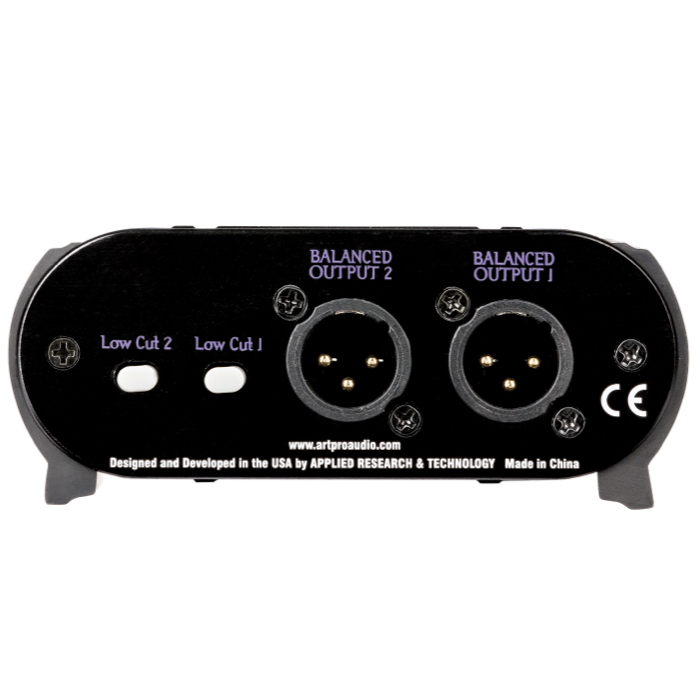
A switchable single-pole low-cut filter at 100 Hz on each channel cuts rumble, handling noise, stand vibration and the extra bass that close-up proximity effect adds to voices. It’s especially useful for podcasts and spoken word.
Two channels in one box
With two independent channels, one Dual RP can boost two hosts on a podcast, a stereo pair of ribbon mics, or a dynamic mic on a guitar cab alongside a ribbon. Each channel has XLR in and XLR out, and the outputs are balanced for long cable runs. The compact metal box measures 47 x 117 x 99 mm and weighs 0.32 kg.
Who is the ART Dual RP for?
- Podcasters and streamers using low-output dynamic microphones with an interface that runs out of clean gain.
- Studios with ribbon microphones that need more level and protection from phantom power.
- Vocalists recording quietly spoken or sung parts with a dynamic mic.
- Two-person setups where both mics need the same boost.
It isn’t for condenser microphones, which need phantom power themselves, and it can’t power active ribbon mics. If your interface already has plenty of clean gain for your mic, you may not need it.
Dual RP vs RP-1
ART’s RP-1 is the single-channel version, made for one ribbon or dynamic mic. The Dual RP puts two channels in one box, with variable impedance and a low-cut filter on each. For podcasts with two hosts, stereo ribbon pairs or anyone planning to add a second mic, the Dual RP is the better buy. For more preamp options, browse our microphone preamps.
Setup tips
- Connect the mic to the Dual RP input with an XLR cable, then the Dual RP output to your interface or mixer.
- Turn on phantom power on the interface channel. The Dual RP needs it to work.
- Start with the interface gain low, then raise it until peaks sit comfortably below clipping.
- Try a few impedance settings, from low to high, and choose by ear.
- Engage the low-cut filter for speech, and leave it off for instruments with deep bass.
Key features
- Two-channel inline mic preamp
- For dynamic and ribbon microphones
- Up to 27 dB gain (10 kΩ load), 20 dB (600 Ω load)
- 48V phantom powered, phantom not passed to the mic
- Variable input impedance, 150 Ω to 10 kΩ
- Switchable 100 Hz low-cut filter
- EIN -129 dBu (C-weighted)
- THD below 0.002% at 1 kHz
- Balanced XLR inputs and outputs
Frequently asked questions
Do I need the ART Dual RP for a dynamic podcast mic?
If your interface has to be turned almost all the way up to reach a good level, and you hear hiss, the Dual RP helps. It adds clean gain so the interface preamp can run lower.
Is it safe to use with ribbon microphones?
Yes. It’s powered by phantom power from the interface, but doesn’t pass that power to the mic, so passive ribbons are protected.
Does it need batteries or a power supply?
No. It runs on standard 48V phantom power from your interface or mixer.
Can I use it with a condenser microphone?
No. Condenser mics need phantom power, which the Dual RP doesn’t pass through. Connect condensers directly to the interface.
What does the impedance control do?
It changes the load the preamp presents to the mic, from 150 Ω to 10 kΩ. This shapes the tone and output of dynamic and ribbon mics, so you can tune each mic to the source.
| Weight | 0.4 kg |
|---|---|
| Dimensions | 4.7 × 11.7 × 9.9 cm |
| brands | Art Pro Audio |
Specifications
| Specification | Details |
|---|---|
| Type | Two-channel inline mic preamp |
| Intended mics | Dynamic and ribbon |
| Inputs | 2 x XLR |
| Outputs | 2 x XLR, balanced |
| Input impedance | 150 Ω to 10 kΩ, variable |
| Maximum input level | -18 dBu |
| Maximum output level | +1 dBm (600 Ω load) |
| Gain | 20 dB (600 Ω load), up to 27 dB (10 kΩ load) |
| Low cut | Switchable, 100 Hz, single pole |
| THD | Below 0.002% at 1 kHz (typical) |
| EIN | -129 dBu, C-weighted |
| Power | 48V phantom power (not passed to mic) |
| Dimensions | 47 x 117 x 99 mm (H x W x D) |
| Weight | 0.32 kg |
Related products
-
DI Boxes, Microphone Preamps
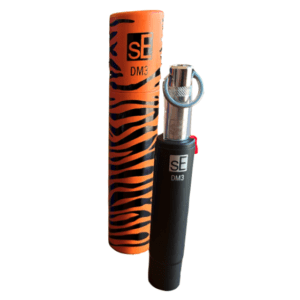
sE DM3 Active DI & In-line Microphone Preamplifier – Black
- In-Line Active DI for Instruments
- Ultra-Hi-Z, Lockable 1/4″ Input
- XLR 3-Pin Output
- Class-A Output Buffer and Amplifier
- Switchable 15 or 30 dB Input Pad
- Three-Way Ground-Lift Switch
- Runs off 48V Phantom Power
- Durable, All-Metal Housing
SKU: SEEL_DM3BLACK -
Patchbays & Routing
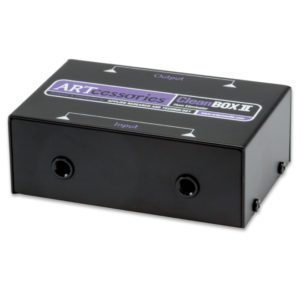
ART CleanBOX II Two-Channel Hum Eliminator
- Removes ground loop hum between audio equipment
- Two channels for stereo or two separate mono signals
- Isolation transformer on each channel
- Passive design: no power supply needed
- 1/4″ TRS inputs and outputs, balanced or unbalanced
- Wide 10 Hz to 50 kHz frequency response
SKU: ARTP_CLEANBOX-2 -
DI Boxes
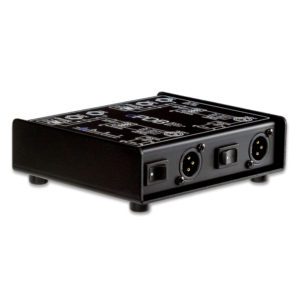
ART dPDB Dual Passive DI Box
- Two passive DI channels in one enclosure
- Ideal for stereo keyboards, DJ mixers and laptops
- Switchable 0, -20 and -40 dB pad on each channel
- Ground lift switch on each channel
- Parallel link jack per channel to feed an amp
- Rugged steel chassis, no power required
SKU: ARTP_dPDB